

 Seller
 Buyer
Buyer
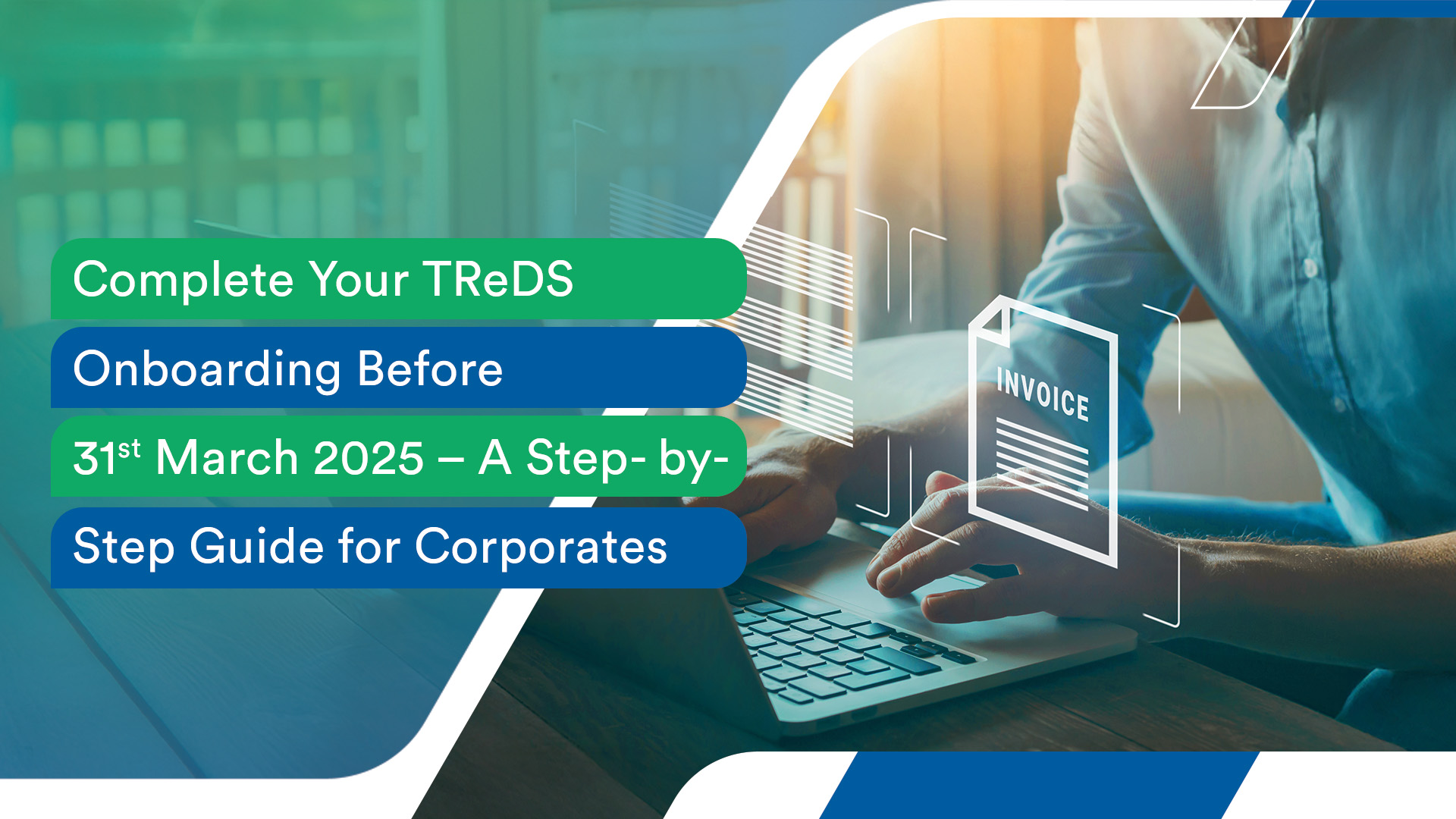
The Indian government has mandated that all companies with a turnover exceeding INR 250 crores, registered under the Companies Act, 2013, and all Central Public Sector Enterprises (CPSEs) must register on Trade Receivables Discounting System (TReDS) platforms by March 31, 2026. This deadline marks a significant step towards streamlining trade finance for MSMEs by improving their access to credit and fostering a more inclusive financial ecosystem.
A step-by-step guide for corporates on TReDS platform registration steps.
Understanding the TReDS Platform
TReDS platforms are designed to streamline the discounting of the invoices issued by MSMEs to larger corporations. These platforms help MSMEs secure quicker payments for their goods and services, thereby enhancing their cash flow.
Outlined below are the key benefits these platforms offer, categorised by their primary participants: buyers, sellers, and financiers.
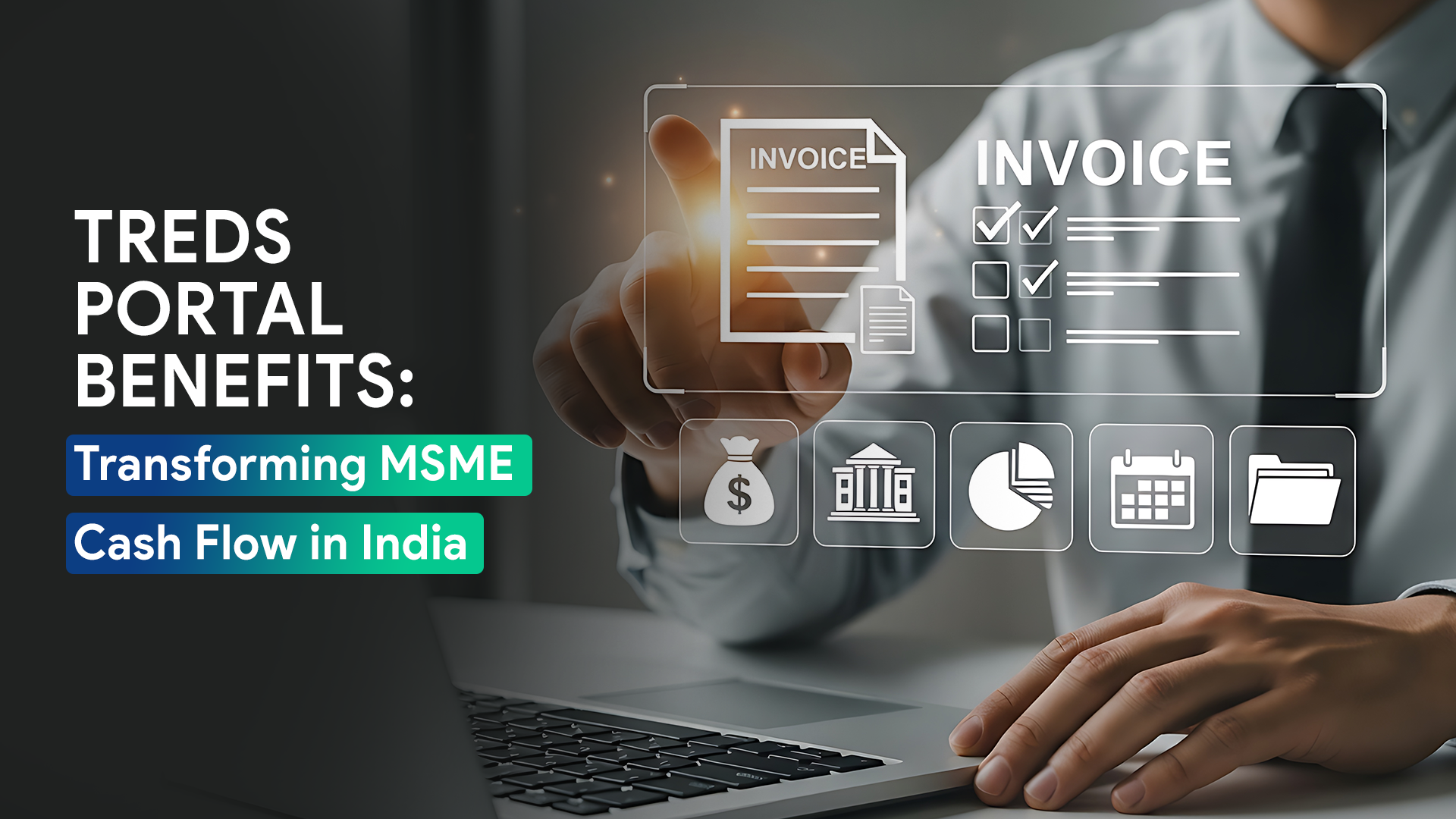
Advantages for Sellers
- Improved Cash Flow: Sellers can quickly access funds by selling their outstanding invoices, enabling them to meet short-term financial needs and improve their liquidity.
- Competitive Rates: The bidding process on TReDS platforms often results in lower discount rates compared to traditional financing methods.
- No Collateral Requirement: Sellers can obtain funding without pledging assets, reducing the risk of asset forfeiture.
Advantages for Buyers
- Cost Savings: Competitive bidding among lenders can lead to reduced interest rates and financing costs.
- Enhanced Supplier Relationships: Timely payments to suppliers help strengthen business relationships.
- Streamlined Processes: The digital platform simplifies the invoice discounting process, cutting down on administrative tasks and paperwork.
Advantages for Financiers
- Expanded Market Reach: Financiers gain access to a broader network of potential clients, particularly MSMEs.
- Lower Operational Costs: Digitisation and automation streamline loan processing and distribution, reducing associated expenses.
- Minimised Risk: Financing backed by verified invoices reduces credit risk, as the invoice itself serves as a form of security.
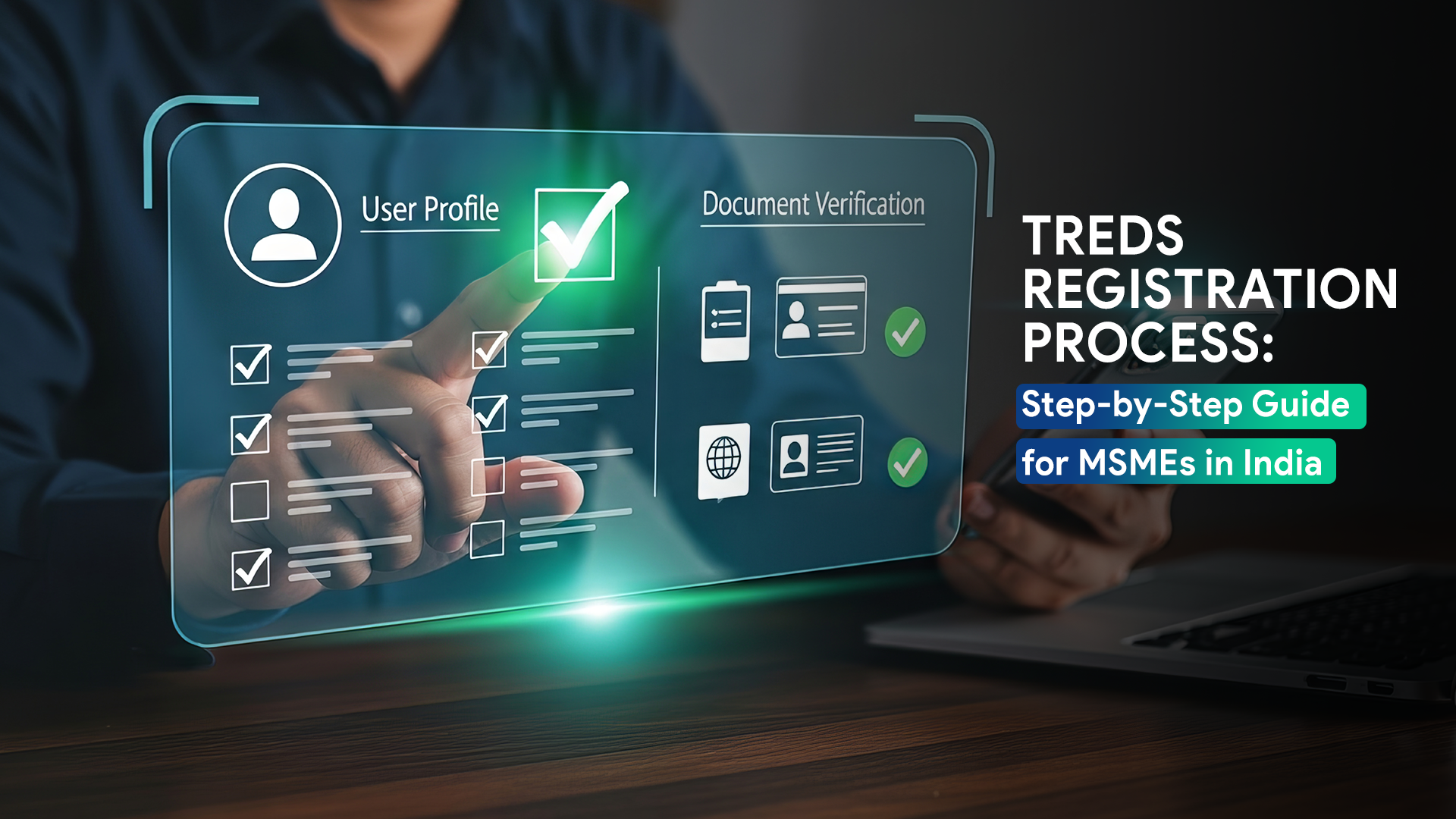
Steps to Complete TReDS Onboarding
Steps to enrol on a TReDS platform in the upcoming year:
- Select a TReDS Platform
Choose an RBI-approved TReDS platform- M1xchange - Prepare Required Documents
The document requirements for TReDS registration vary depending on the chosen platform. However, some essential documents typically include: - Completed application form
- Master agreement
- Bank confirmation letter
- Mandate form for debiting the designated bank account (applicable for financiers and buyers)
- KYC documents for the applicant entity, promoters, administrators (admin users), and authorised signatories
- Complete the Registration Process: Follow the platform’s onboarding steps, which usually involve submitting online forms, uploading required documents, and completing KYC formalities.
- System Integration: Connect the TReDS platform with your company’s ERP or other internal systems to enable smooth invoice uploads and data synchronisation.
- Employee Training: Equip employees with thorough training on using the TReDS platform, including tasks such as uploading invoices, tracking transactions, and reconciling payments.
- Start Using the Platform: Begin leveraging the TReDS platform for invoice uploads and discounting to streamline your financial operations.
Here is all the essential information and tips businesses need for successfully completing the TReDS onboarding process 2026.
In 2015, the Reserve Bank of India (RBI) authorised three companies to establish Trade Receivable Discounting System (TReDS) platforms. Among them, Mynd Solutions Pvt Ltd launched the M1xchange platform in 2017, in compliance with the Payment and Settlement System (PSS) Act. This platform simplifies the process of discounting invoices and bills of exchange, providing significant benefits to MSMEs across the country.
Since its inception, the TReDS platform has empowered MSMEs by converting their outstanding bills into immediate liquidity. This is achieved through a unique bidding process involving various banks, including international, private, and nationalised institutions. The process is not only efficient but also ensures access to financing at competitive rates.
Also Read: Everything You Need to Know About Corporates TReDS Onboarding by March 31, 2025
In the TReDS ecosystem, large entities like PSUs and government departments act as buyers, banks and NBFCs serve as financiers, and micro, small, and medium enterprises (MSMEs) function as suppliers. M1xchange facilitates supply chain financing for MSMEs at competitive rates through an open bidding process involving multiple lenders. As per RBI guidelines, financing through M1xchange is provided on a “without recourse” basis to the MSME supplier. To ensure the authenticity of underlying transactions, M1xchange leverages advanced technology.
Conclusion
The March 31, 2026, deadline for corporate onboarding onto TReDS platforms offers businesses a chance to foster a more inclusive and efficient trade finance ecosystem. By proactively completing the onboarding process, companies can achieve compliance, strengthen their relationships with MSMEs, and boost their financial performance. This makes it essential for companies with a turnover of INR 250 crores and all Central Public Sector Enterprises (CPSEs) to stay informed about the TReDS registration deadline March 31, 2026.
Launched in 2017 by Mynd Solutions Pvt Ltd, M1xchange is an RBI-authorised TReDS platform under the PSS Act. It enables MSMEs to efficiently convert receivables into cash by facilitating invoice discounting. Through a competitive bidding process involving multiple banks, M1xchange provides MSMEs with access to cost-effective financing. The platform specialises in “without recourse” financing, minimising risk for MSMEs. Leveraging advanced technology, M1xchange ensures the authenticity of all transactions. The ecosystem comprises key participants: MSMEs as suppliers, large corporates as buyers, and financial institutions as financiers.
FAQs
1. What is TReDS in India?
TReDS (Trade Receivables Discounting System) is an online platform regulated by the Reserve Bank of India that helps MSMEs get quick payment for their invoices by selling them to financiers (banks/NBFCs).
2. How does a TReDS platform work?
TReDS works in 3 simple steps:
- MSME uploads invoice
- Buyer accepts invoice
- Banks/NBFCs bid → MSME gets instant funds
Popular platforms include:
- M1xchange
3. Who can register on a TReDS platform?
Eligible users:
- MSMEs (Micro, Small & Medium Enterprises)
- Corporates / Buyers
- Banks & NBFCs
4. What are the benefits of TReDS for MSMEs?
- Faster payments (within 24–72 hours)
- No collateral required
- Better cash flow
- Lower interest rates due to bidding
5. Is TReDS registration mandatory in 2026?
Yes, as per government guidelines, companies with turnover above ₹500 crore must register on TReDS to support MSME payments.
6. How to register on TReDS platform?
Steps:
- Choose a platform (like RXIL / M1xchange)
- Submit KYC & business documents
- Complete onboarding
- Start uploading invoices
7. What documents are required for TReDS registration?
- GST certificate
- PAN card
- Bank details
- Udyam Registration
- Financial statements
8. What is the cost of using TReDS?
Charges include:
- Registration fee
- Transaction fee
- Discounting interest (varies by bank bidding)
9. Which is the best TReDS platform in India?
Top platforms:
- M1xchange
10. How long does it take to get payment on TReDS?
Once invoice is approved, MSMEs typically receive funds within 24 to 72 hours.
11. What is invoice discounting on TReDS?
It is a process where MSMEs sell their unpaid invoices to banks/NBFCs at a discounted rate to get immediate cash.
12. Is TReDS safe and secure?
Yes, TReDS platforms are regulated by the Reserve Bank of India, ensuring transparency and security.
13. Can exporters use TReDS?
Yes, exporters can benefit from TReDS, especially after recent government initiatives to reduce export factoring costs.
14. What is the difference between TReDS and factoring?
- TReDS → Digital, RBI-regulated, bidding system
- Factoring → Traditional, negotiated financing
15. Why is TReDS important for MSMEs in 2026?
- Helps solve delayed payment issues
- Improves working capital
- Supports MSME growth and liquidity