

 Seller
 Buyer
Buyer
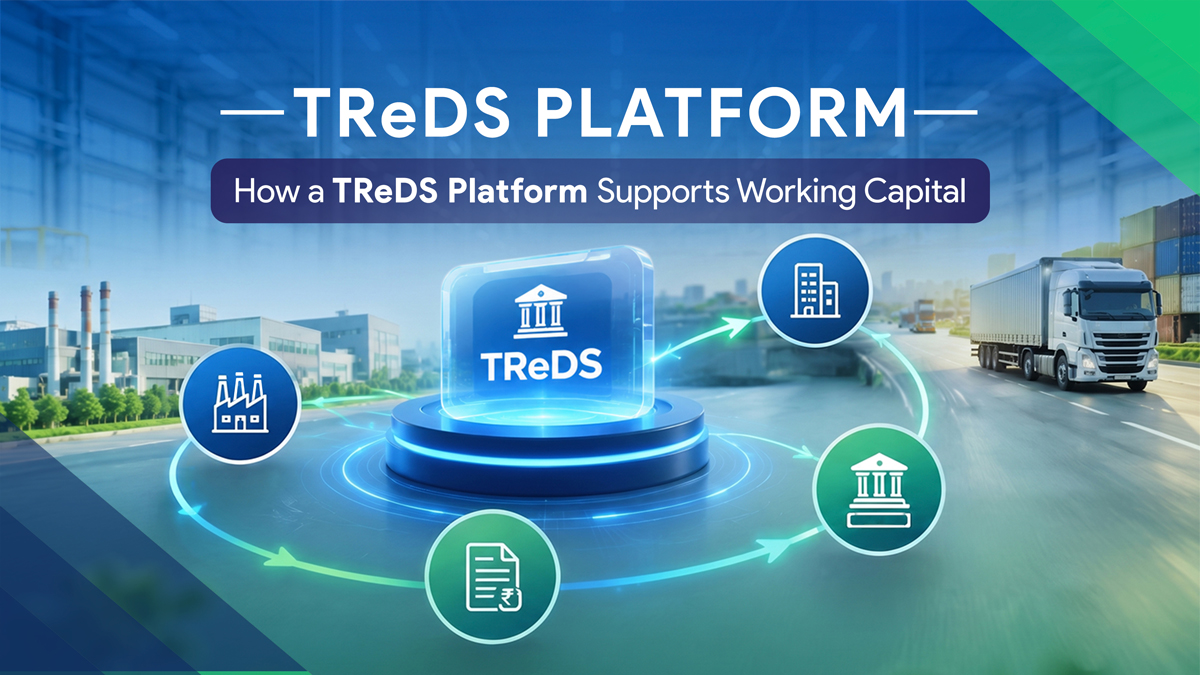
TReDS Platform: How a TReDS Platform Supports Working Capital
Working Capital Behaves More Like a Relay Than a Reserve Working capital is often described as a number on a balance sheet. Inside a...
TReDS Registration: How TReDS Registration Works
Registration Begins Before the Portal Most businesses think TReDS registration begins when someone clicks “Sign Up.” In practice, the...
How S2S Financing Can Address Working Capital Across India’s Multi-Tier Supply Chains
India’s largest supply chains rarely stop at the Tier-1 supplier. A vehicle manufacturer depends on component makers that depend on...
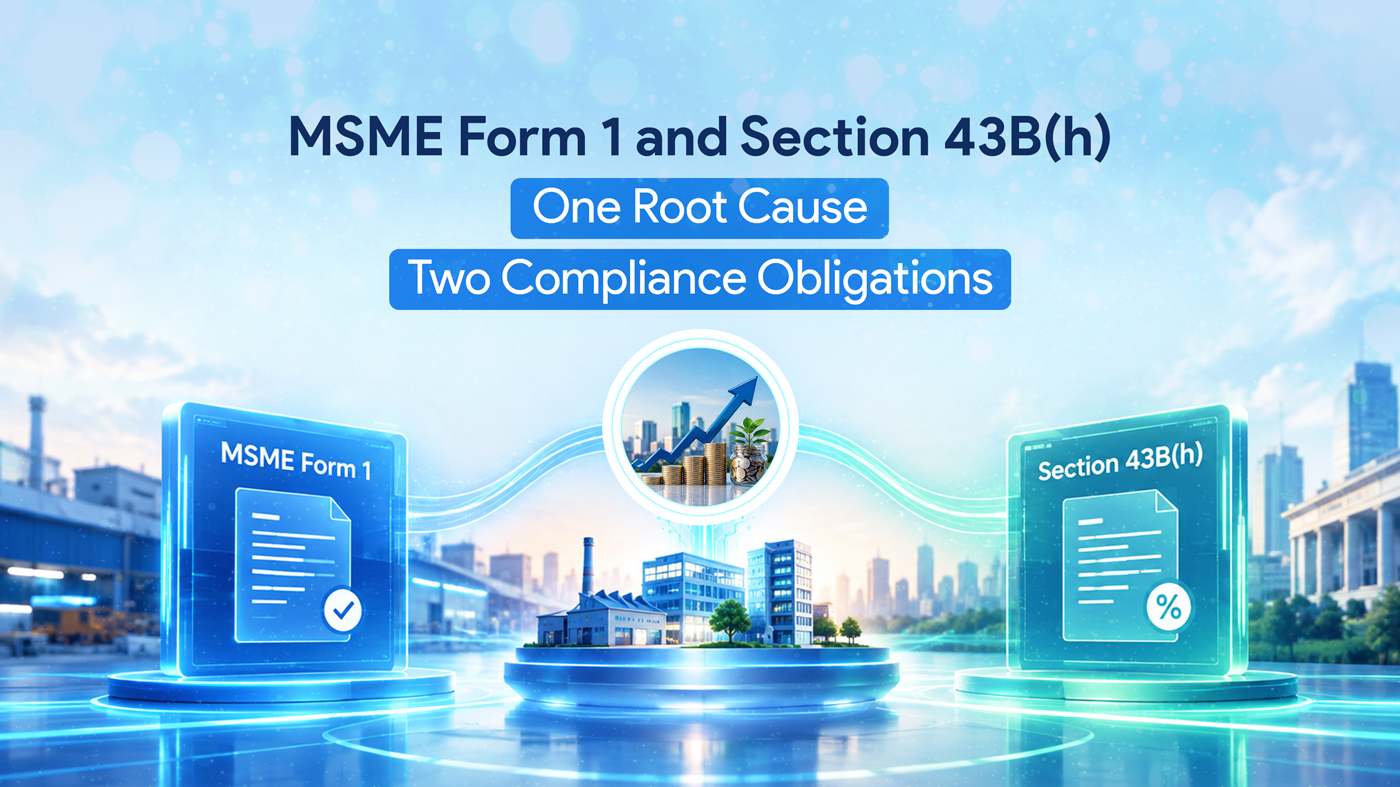
MSME Form 1 and Section 43B(h): One Root Cause, Two Compliance Obligations
31 October 2026 is the next MSME Form 1 filing deadline. For finance teams, the more important date may be the day an MSE payable crosses...

TReDS Platform Explained: How MSMEs Get Faster Payments
An Invoice Has a Due Date. Your Business Has Deadlines Today. A 60-day invoice may look like confirmed revenue, but it cannot purchase raw...
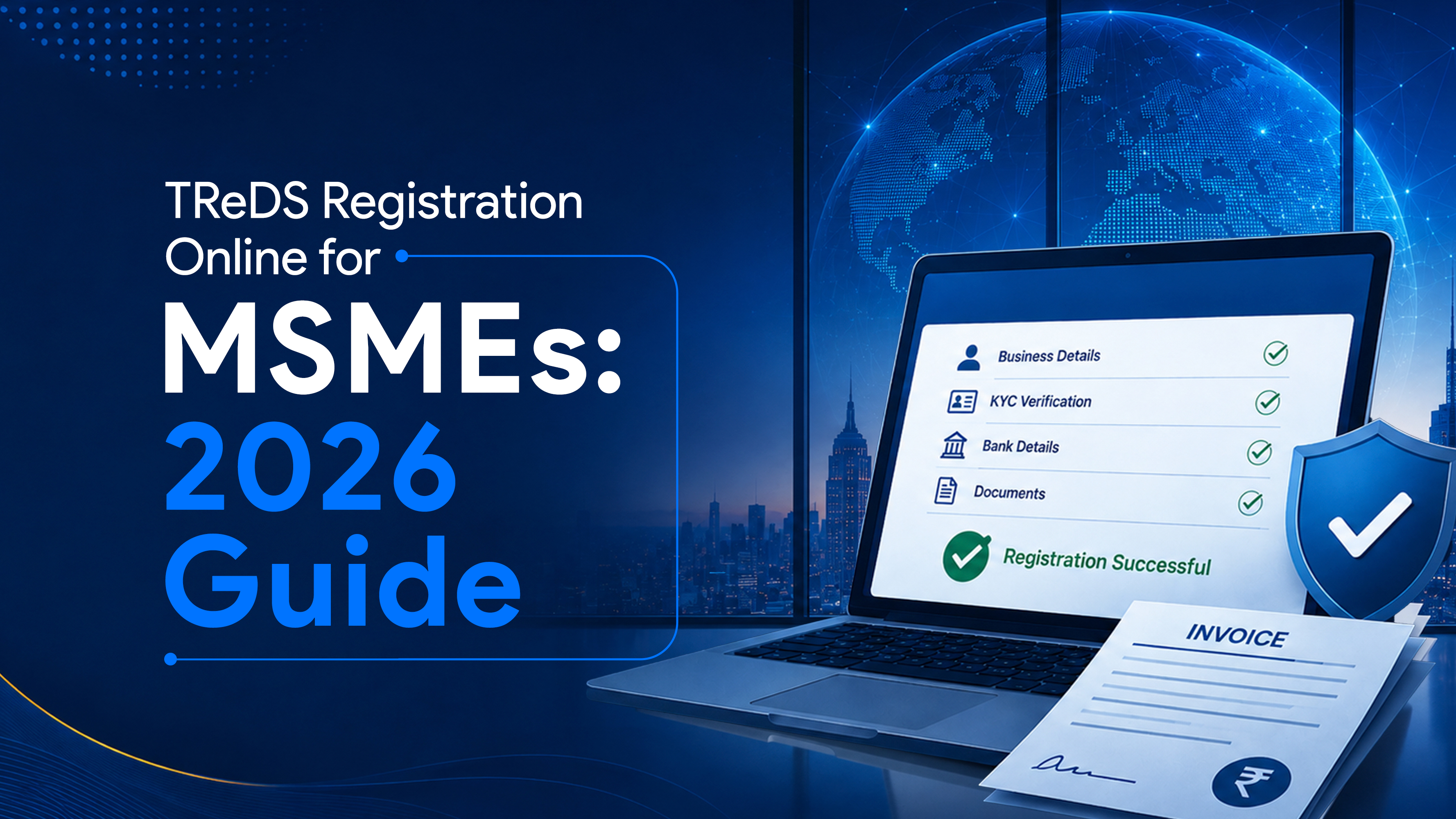
TReDS Registration Online: A Step Towards Smarter MSME Financing
Registering on TReDS should not begin with uploading documents. It should begin with a readiness check. Many MSMEs apply only to discover...

How TReDS Helps Corporates Build a Stronger Supply Chain
TReDS helps corporates strengthen supplier liquidity without disrupting planned payment cycles, turning receivables financing into a...

The Financial Bullwhip Effect: How Deep-Tier Liquidity Protects Corporate Anchors
Supply chain resilience depends on how far liquidity can travel. A corporate anchor may pay its immediate suppliers on time and still...
CGTMSE and TReDS: Understanding the 2026 RBI Direction on Guarantee Cover
On June 23, 2026, the Reserve Bank of India issued the Reserve Bank of India (Trade Receivables Discounting System) Directions, 2026. The...
The 5.5x Shift: Why S2S Financing Is Scaling Across Indian Supply Chains ?
Deep-tier financing, S2S financing, MSME Buyer, MSME Supplier, Cash-flow lending, TReDS India’s supply chains are not linear. Behind...
What Is TReDS? Complete Guide to the TReDS Portal and Registration 2026
Every Invoice Has Value – Why Wait to Unlock It? For an MSME, an invoice is more than a request for payment. It represents goods...
Two Rules, One Outcome: How GeM-TReDS and the RBI Master Direction 2026 Are Making TReDS Easier for MSMEs
For an MSME supplying products or services through the Government e-Marketplace, winning an order is only one part of the working capital...
RBI Rationalises TReDS Rules in 2026: One Master Direction, A Complete Overhaul
On June 23, 2026, the Reserve Bank of India issued Circular No. RBI/DPSS/2026-27/406, introducing the Reserve Bank of India (Trade...

Beyond Tier-1 Financing: Rethinking MSME S2S Trade finance through Invoice discounting
India’s supply chains have become larger, more interconnected, and increasingly dependent on MSMEs. Yet, when financing moves through...

Trade Receivables Meaning: Everything Businesses Need to Know
In business, revenue and liquidity are not always the same thing. A company may record strong sales numbers, secure large clients, and...
TReDS for CPSEs: Why Public Sector Enterprises Are Becoming Central to MSME Liquidity in India
India’s MSME sector contributes significantly to employment, manufacturing output, and supply chain activity. Yet, delayed payments...

TReDS Portal Benefits: Transforming MSME Cash Flow in India
India’s MSME sector is expanding rapidly, but liquidity pressure continues to remain one of its biggest operational challenges. Across...
The Invisible Links: Addressing the Deep-Tier MSME Financing Blind Spot
India’s supply chains have become larger, more interconnected, and increasingly dependent on MSMEs. Yet, when financing moves through...
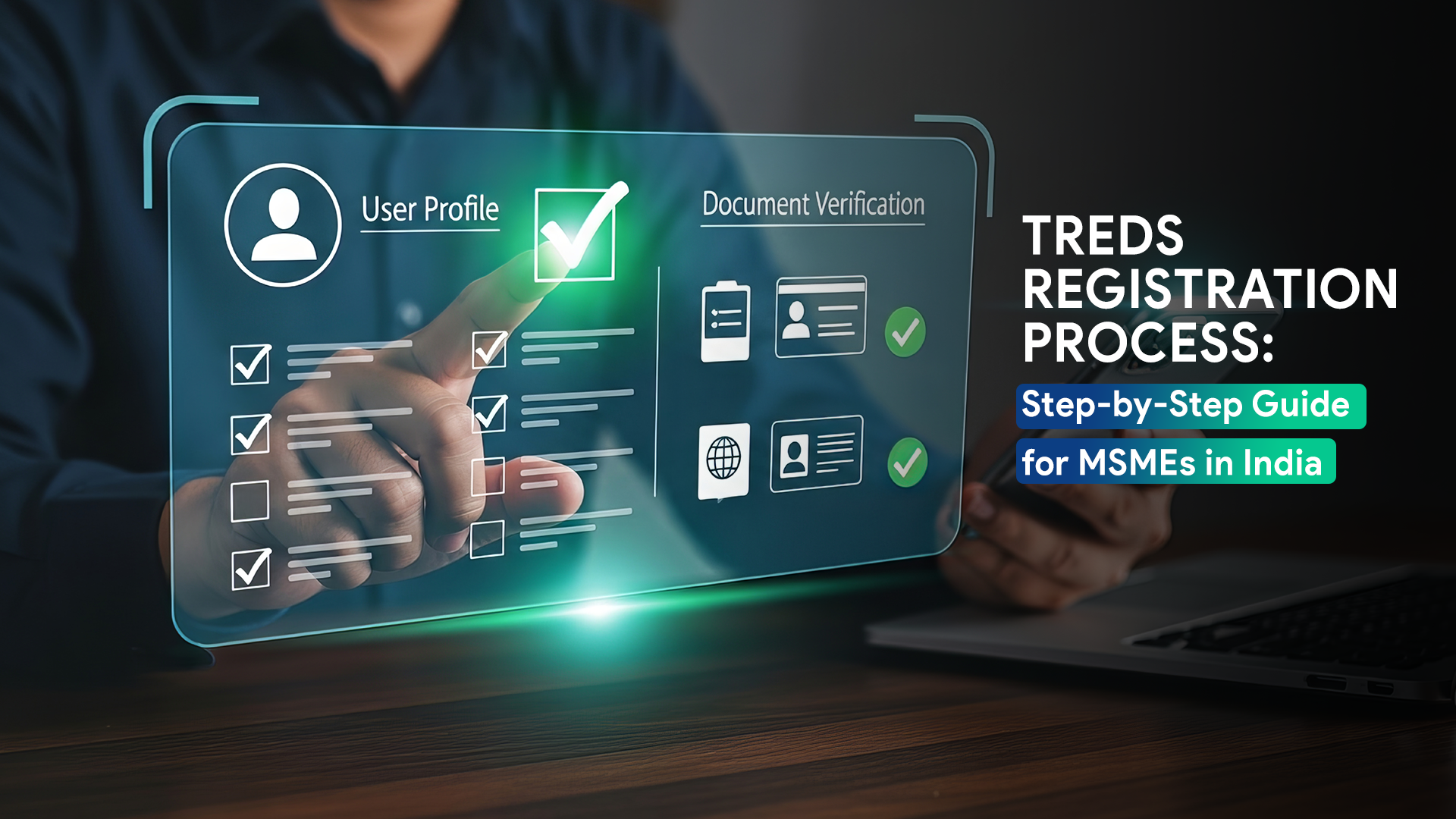
TReDS Registration Process: Step-by-Step Guide for MSMEs in India
India’s MSME sector is undergoing a major financial transition. Many businesses operated with a familiar problem for years. Sales were...
Working Capital Management Explained: How MSMEs Can Avoid Cash Crunch
Why Cash Crunch Still Slows Down Growing BusinessesGrowth and liquidity do not always move together. A business may be performing well in...