

 Seller
 Buyer
Buyer
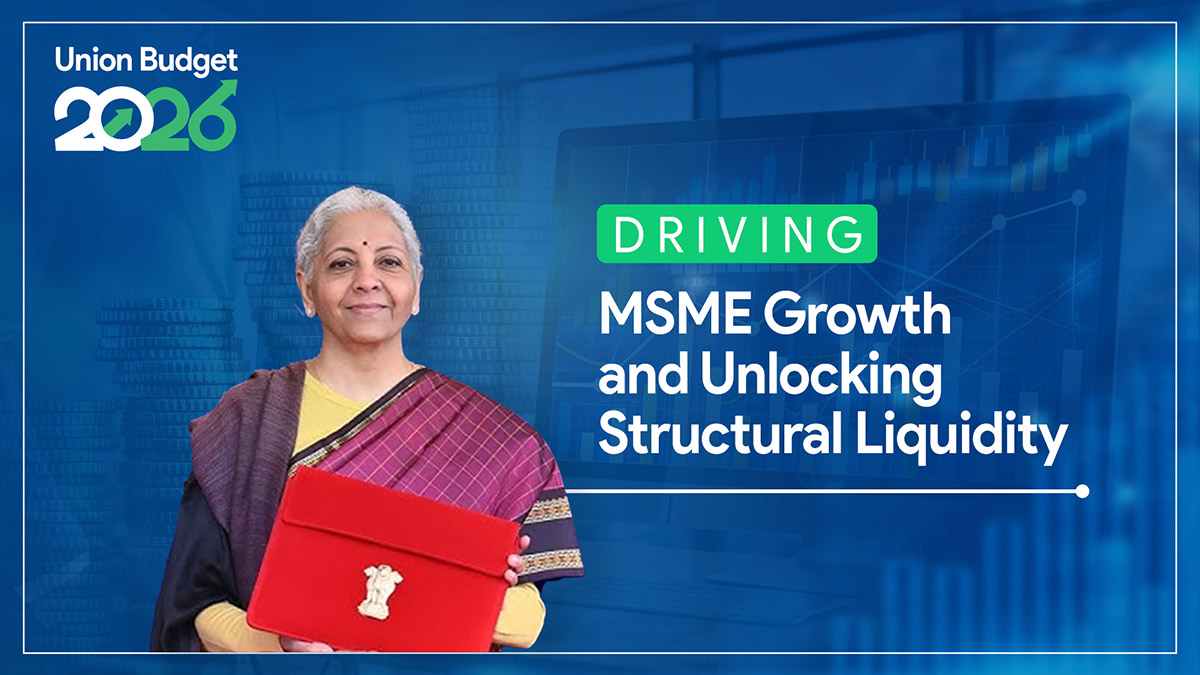
The Union Budget 2026 marks a pivotal moment for India’s micro, small, and medium enterprises (MSMEs), addressing long-standing liquidity challenges that have constrained their growth and global competitiveness. Anchored in the broader context of the Economic Survey 2025–26, the Budget introduces a structured framework for MSME financing, turning systemic bottlenecks into opportunities. By enhancing liquidity, reducing credit risk, and promoting operational efficiency, these reforms aim to strengthen India’s MSME ecosystem and unlock their potential in domestic and international markets.
Reviving Legacy Industrial Clusters: Competitiveness Through Modernization
The Budget emphasizes the revival of 200 legacy industrial clusters, which have historically struggled with outdated infrastructure and declining productivity, key measures include:
Infrastructure Upgradation:
Modernizing logistics, utilities, and physical facilities to reduce operational costs and improve efficiency.
Technology Adoption:
Introducing advanced manufacturing technologies to enhance precision, output quality, and energy efficiency.
These initiatives aim to create modernized, globally competitive hubs, enabling MSMEs to integrate more effectively into national and international supply chains.
Targeted Support for MSMEs: Equity, Liquidity, and Professional Guidance
1. Equity Support: Creating Future Champions
SME Growth Fund (₹10,000 crore): Provides equity support to high-potential MSMEs, allowing them to scale without over-leveraging.
Self-Reliant India Fund Top-Up (₹2,000 crore): Ensures continued access to risk capital for micro enterprises.
This capital infusion empowers MSMEs to invest in expansion, innovation, and global competitiveness.
2. Liquidity Support: Strengthening Cash Flow
Delayed receivables have historically trapped ₹8–10 lakh crore annually. Budget 2026 introduces systemic solutions through the Trade Receivables Discounting System (TReDS):
Mandatory CPSE Settlement: All MSME invoices from Central Public Sector Enterprises must now be settled via TReDS, creating a predictable, transparent payment mechanism.
CGTMSE Credit Guarantee: Reduces risk for financiers, encouraging higher lending volumes to MSMEs.
GeM-TReDS Integration: Verifies orders and deliveries, accelerating funding and reducing fraud risk.
Receivables as Asset-Backed Securities: Facilitates a secondary market for invoices, improving liquidity and settlement cycles.
These measures transform TReDS into a high-volume, systemic financing channel, addressing operational bottlenecks and enhancing cash flow predictability.
3. Professional Support: Compliance and Advisory
Recognizing regulatory hurdles, the Budget promotes collaboration with professional institutions (ICAI, ICSI, ICMAI) to provide:
Short-term Modular Courses: Strengthening finance and compliance capabilities.
Practical Tools for MSMEs: Affordable solutions for accounting, reporting, and TReDS adoption.
This empowers MSMEs to navigate regulations efficiently, reduce operational costs, and leverage formal finance effectively.
Macro‑Economic Context: Structural Credit, Liquidity, and Financial Inclusion
A central systemic issue highlighted in the Economic Survey 2025–26 is the liquidity deadlock created by delayed payments, with estimates suggesting that over ₹8 lakh crore of MSME receivables are stuck each year due to late settlements by larger buyers and intermediaries. This “order‑to‑cash” bottleneck not only strains working capital but also erodes competitiveness, forcing many firms into high‑cost informal borrowing. This structural deficit is compounded by limited credit histories, stringent collateral requirements, and the operational burden of informal lending, which remains prevalent across micro and small enterprises.
Progress on digital public infrastructure is reshaping the financial landscape. The ongoing integration of digital rails including GST‑linked data, e‑marketplaces, and receivables financing platforms is facilitating richer credit assessment and enabling cash flow‑based lending models that move beyond traditional asset‑heavy underwriting. This evolution is critical for extending formal credit to micro and informal MSMEs that lack conventional collateral or long operating histories.
Together, these macroeconomic indicators highlight why policy interventions in Union Budget 2026-27 aimed at formalising credit channels, accelerating receivables settlement, and leveraging digital platforms are central to the Budget’s strategy for sustainable MSME finance.
Impact: Accelerating Growth of the MSME Ecosystem
MSMEs:
The Budget’s structural reforms aim to unlock working capital that has long been trapped in receivables and informal financing loops. By promoting transparent, predictable settlement mechanisms and expanding formal credit coverage, MSMEs can reduce dependency on high‑cost debt, strengthen balance sheets, and redirect resources toward capacity expansion, technology adoption, and export diversification.
Banks and Financial Institutions:
The combination of enhanced credit guarantee frameworks, predictable invoice volumes, and richer digital data ecosystems allows lenders to deploy capital with greater confidence and precision. This supports scalable lending strategies, improved risk management, and enhanced priority‑sector financing outcomes, potentially deepening formal credit penetration across previously underserved segments.
Economy:
Efficient working capital circulation across MSMEs has multiplier effects on the broader economy. Reduced financing frictions bolster domestic supply chains, enhance productivity, and support India’s export competitiveness. Moreover, stronger MSME balance sheets contribute to overall financial stability and job creation in both urban and rural regions, anchoring inclusive economic growth.
Conclusion
Union Budget 2026 represents a structural milestone in MSME financing policy. By institutionalising liquidity mechanisms, mitigating credit risk, and empowering enterprises with digital infrastructure and compliance support, the government has laid the groundwork for a resilient and competitive MSME ecosystem. The focus on formalised credit flows, expanded financing access, and reduced operational inefficiencies positions MSMEs to pursue sustainable growth, elevate participation in global value chains, and make an enduring contribution to India’s economic trajectory.
Last modified: February 3, 2026