

 Seller
 Buyer
Buyer

A Practical Guide to Unlocking Working Capital Through Digital Receivables Financing
Cash flow remains one of the most persistent structural challenges for MSMEs in India. Despite strong order books, many small and mid-sized enterprises struggle to maintain liquidity because payments from large buyers often arrive after long credit cycles. This working capital gap directly impacts production continuity, vendor payments, and growth momentum.
In recent years, the TReDs platform has emerged as a regulatory-backed digital infrastructure designed specifically to address this issue. By enabling invoice-based financing through a transparent marketplace, the TReDs portal is helping MSMEs convert receivables into timely liquidity without increasing balance sheet stress.
This writeup covers the trade receivables definition, TReDs platform functions, why TReDs registration matters for MSMEs, and how this ecosystem is reshaping cash flow management across supply chains.
Understanding the Cash Flow Problem in MSMEs
MSMEs typically operate with tight working capital buffers. While sales may be healthy, delayed payments from corporate buyers create a liquidity mismatch.
Common cash flow pressures include:
- Long receivable cycles of 45 to 120 days
- Limited access to unsecured bank credit
- Heavy dependence on collateral-based lending
- Production disruptions due to fund shortages
- Difficulty scaling operations despite strong demand
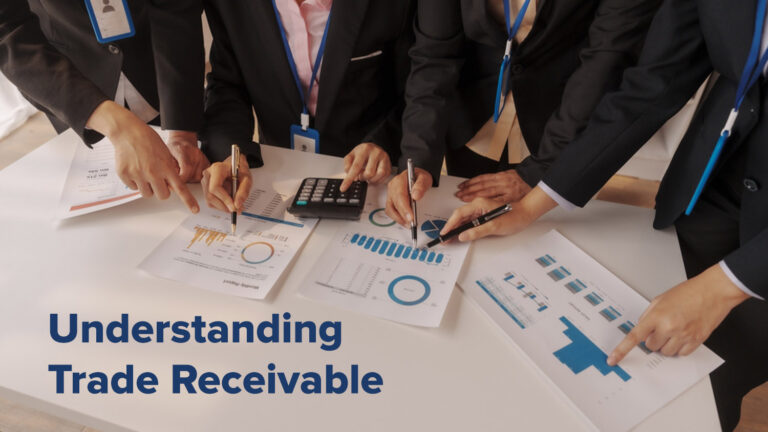
This is where understanding the trade receivables meaning becomes important. In simple terms, trade receivables are the outstanding invoices that a business expects to collect from its buyers. Traditionally, these receivables remained locked until the payment due date.
The TReDs platform changes this dynamic by making receivables financeable in a structured and regulated manner.
Trade Receivables Meaning: Why It Matters for MSMEs
Before exploring the solution, it is important to clearly define the trade receivables meaning.
Trade receivables refer to:
- Money owed by buyers for goods delivered or services rendered
- Outstanding invoices within agreed credit terms
- A key component of working capital
For MSMEs, trade receivables often represent a significant portion of their balance sheet. However, without financing support, these receivables remain illiquid assets.
The TReDs platform transforms the trade receivables meaning from passive accounting entries into active liquidity instruments. This shift is central to solving MSME cash flow stress.
What Is the TReDs Platform?
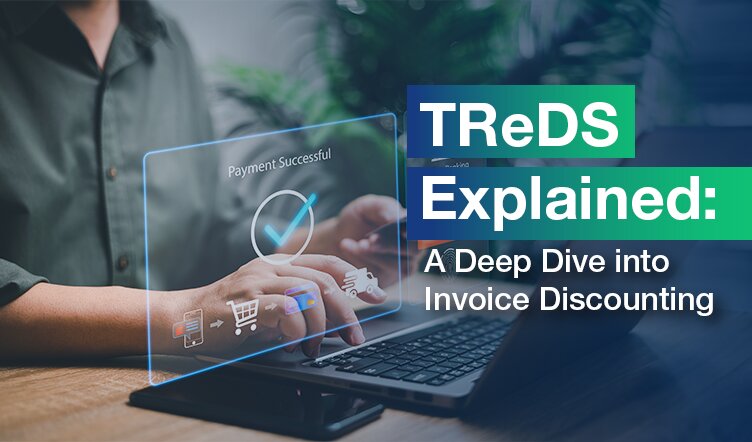
The TReDs platform (Trade Receivables Discounting System) is an RBI-regulated digital ecosystem that facilitates the financing of MSME invoices through multiple financiers.
The TReDs portal brings together three key participants:
- MSME sellers
- Corporate buyers
- Banks and NBFC financiers
Through this marketplace model, MSMEs can discount their approved invoices and receive early payment.
How the TReDs Portal Works
The functioning of the TReDs portal is designed to be transparent, competitive, and fully digital.
Step-by-Step Flow
MSME supplies goods or services to a corporate buyer
- Invoice is uploaded on the TReDs platform
- Buyer digitally accepts the invoice
- Multiple financiers bid on the invoice
- MSME selects the best discount rate
- Funds are credited to the MSME
- Buyer pays financier on due date
This structured workflow converts the trade receivables meaning into real-time working capital.
Why MSMEs Should Consider TReDs Registration
Many eligible businesses still operate outside the ecosystem simply because they have not completed TReDs registration. However, early adoption offers meaningful advantages.
Key Benefits of TReDs Registration
- Faster access to working capital
- Competitive financing rates
- No need for additional collateral
- Fully digital processing
- Improved cash flow predictability
- Better financial discipline
By completing TReDs registration, MSMEs position themselves within the formal receivables financing ecosystem powered by the TReDs platform.
How the TReDs Platform Solves MSME Cash Flow Problems
1. Accelerates Receivable Conversion
The biggest advantage of the TReDs platform is speed. Instead of waiting months for payment, MSMEs can unlock funds shortly after invoice acceptance.
Impact:
- Reduced working capital stress
- Faster production cycles
- Improved vendor payments
- Better order fulfillment
This directly enhances the practical value of the trade receivables meaning.
2. Provides Access to Multiple Financiers
Traditional lending often depends on a single bank relationship. The TReDs portal introduces competitive bidding.
Benefits include:
- Transparent price discovery
- Lower financing costs
- Reduced dependency on one lender
- Better funding availability
This multi-financier model is one of the structural strengths of the TReDs platform.
3. Enables Collateral-Free Financing
Many MSMEs struggle because they lack tangible collateral. The TReDs platform shifts the focus from borrower balance sheet to invoice quality.
Why this matters:
- Financing linked to buyer creditworthiness
- Reduced collateral burden
- Easier credit access for growing MSMEs
- More inclusive working capital ecosystem
Through this mechanism, the trade receivables meaning becomes a powerful financing lever.
4. Improves Financial Discipline Across Supply Chains
The TReDs portal introduces structured workflows that improve payment behaviour.
Key improvements include:
- Digital invoice acceptance
- Defined settlement timelines
- Full transaction visibility
- Audit-ready records
Over time, widespread TReDs registration across supply chains strengthens overall financial discipline.
5. Supports MSME Growth Without Balance Sheet Stress
Because funding is linked to receivables, MSMEs can scale operations without proportionally increasing debt exposure.
Strategic outcomes:
- Better balance sheet efficiency
- Lower reliance on working capital loans
- Improved return on capital
- Enhanced growth capacity
The TReDs platform therefore supports both liquidity and long-term financial health.
The Regulatory Backbone Behind TReDs
One of the strongest advantages of the TReDs platform is its regulatory oversight. Being governed by the Reserve Bank of India ensures:
- Standardised processes
- Transparent bidding
- Defined settlement cycles
- Strong audit trails
- Participant accountability
For MSMEs evaluating TReDs registration, this regulatory framework builds confidence and reduces counterparty risk.
Technology Is Making the TReDs Portal More Powerful
Digital innovation continues to enhance the efficiency of the TReDs portal.
Emerging capabilities include:
- API-based integrations with ERPs
- Real-time invoice tracking
- Automated reconciliation
- Data-driven credit analytics
- Faster onboarding workflows
As technology adoption deepens, the TReDs platform is becoming an increasingly important pillar of MSME financing infrastructure.
When Should MSMEs Use the TReDs Platform?
The TReDs platform is particularly effective when businesses:
- Sell to large corporates
- Offer credit terms to buyers
- Face working capital gaps
- Experience rapid order growth
- Want collateral-free financing
In such scenarios, completing TReDs registration can significantly improve liquidity planning.
The Expanding Ecosystem Around TReDs
India’s receivables financing landscape is gradually evolving toward deeper supply chain visibility. Forward-looking platforms are beginning to extend financing beyond first-tier vendors, using transaction data to widen access to credit.
Within this evolving ecosystem, established TReDs platform operators continue to strengthen digital workflows, risk analytics, and network depth. As adoption increases, the practical interpretation of trade receivables meaning is shifting from passive accounting to active liquidity management.
Conclusion: A Structural Shift in MSME Working Capital
MSME growth in India has long been constrained not by demand but by delayed cash flows. The TReDs platform represents a structural solution to this persistent challenge by transforming receivables into a reliable funding channel.
By completing TReDs registration and actively using the TReDs portal, MSMEs can unlock faster liquidity, reduce dependence on collateral-heavy loans, and build stronger financial resilience. From an economic standpoint, widespread adoption of receivables financing is essential for improving supply chain efficiency and supporting sustainable MSME expansion.
From a market perspective, platforms such as M1xchange continue to play an important role in operationalising the TReDs platform framework through digital-first workflows, multi-financier participation, and regulatory-aligned processes. As India moves toward more data-driven trade ecosystems, businesses that institutionalise receivables financing early will be better positioned to manage cash flow volatility and scale with confidence.
FAQs
1. What is TReDS and how does M1xchange work?
TReDS (Trade Receivables Discounting System) is an RBI-regulated platform that helps MSMEs get instant cash against their invoices. M1xchange enables businesses to upload invoices and receive competitive bids from financiers, ensuring quick payments.
2. Why is M1xchange considered one of the best TReDS platforms in India?
M1xchange is trusted for its fast processing, wide network of buyers and financiers, transparent bidding system, and easy digital onboarding—making it a preferred choice for MSMEs.
3. Who can register on M1xchange TReDS platform?
M1xchange allows:
- MSMEs (sellers)
- Corporates & government buyers
- Banks & NBFCs (financiers)
This makes it a complete ecosystem for invoice discounting.
4. What are the benefits of using M1xchange for invoice discounting?
Key benefits of M1xchange include:
- Faster payments (within 24–72 hours)
- No collateral requirement
- Improved cash flow
- Competitive interest rates via bidding
- Reduced risk of delayed payments
5. Is TReDS registration mandatory for businesses in India?
Yes, companies with turnover above ₹250 crore are required to register on TReDS. Platforms like M1xchange help ensure timely MSME payments and compliance with government guidelines.
6. How to register on M1xchange TReDS platform?
To register on M1xchange:
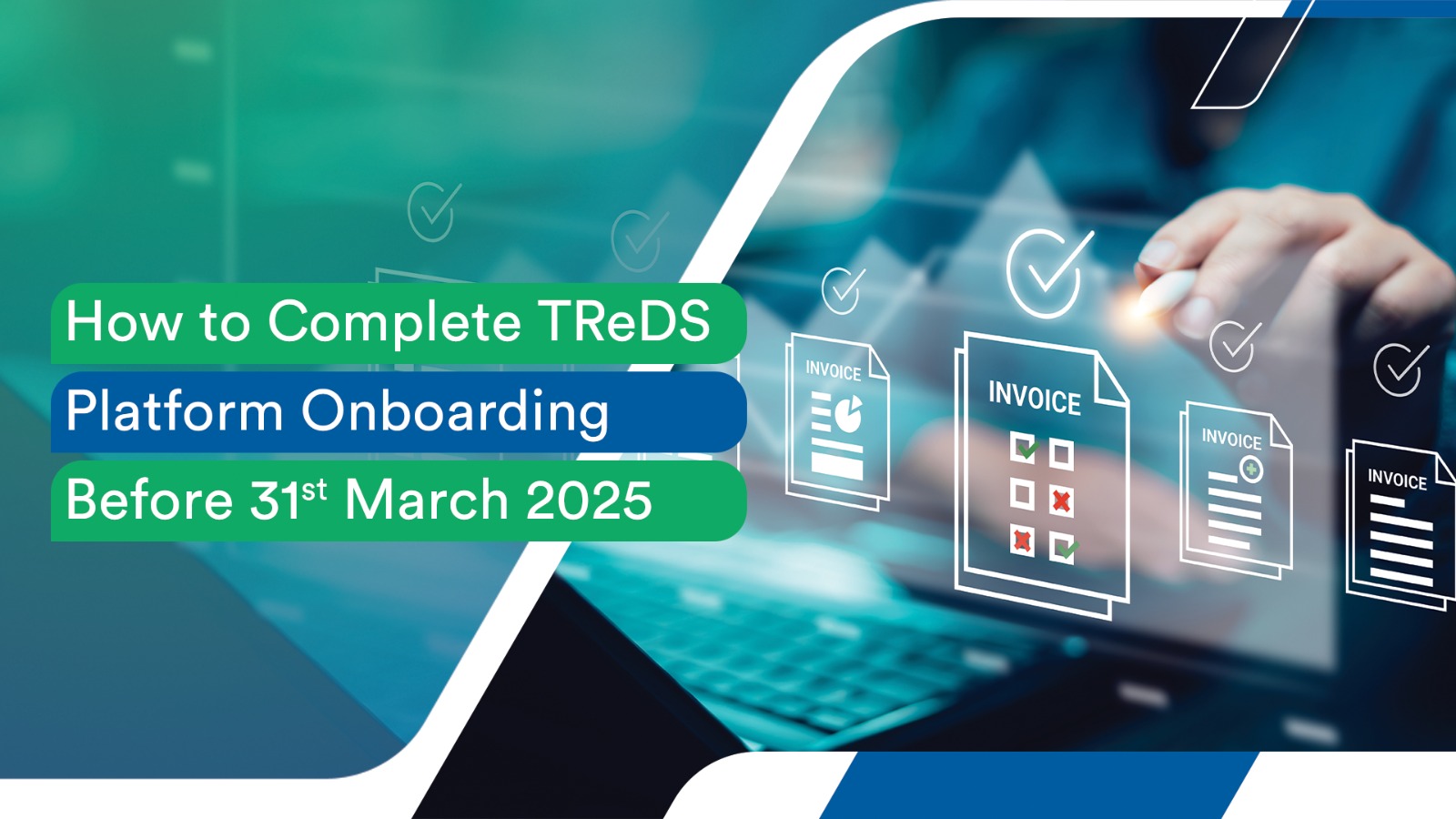
- Sign up on the platform
- Submit KYC & business documents
- Get approval from buyers/financiers
- Start uploading invoices for discounting